


Python String manipulation is one of the most important topics for beginners. In this blog, you will learn Python String concepts step by step using simple explanations and clear code examples, so you can easily connect them with your video and understand how strings work in real Python programs. A Python String is a sequence of characters written inside single or double quotes, and it is used everywhere from user input to data processing, which is why learning Python String manipulation early helps you build a strong foundation in Python.

What is Python String Manipulation
String manipulation means performing different operations on strings. You can join strings, repeat them, check membership, and change their format. Python provides operators, functions, and methods to work with strings in a simple and efficient way.
String Operations in Python
Python String Concatenation
Concatenation means joining two or more strings using the plus operator. It is one of the most common techniques used when working with strings in Python.
first_name = "Aman"
last_name = "Sharma"

full_name = first_name + " " + last_name
print(full_name)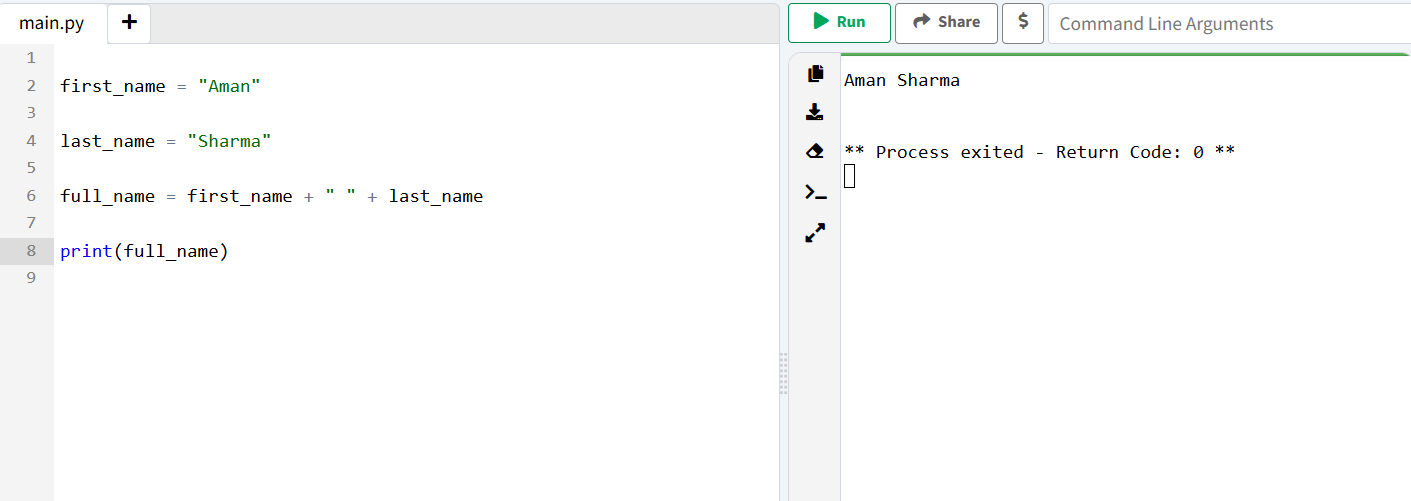

Output:
Aman SharmaPython String Repetition
Repetition means repeating a string multiple times using the multiplication operator.
word = "Python "

print(word * 3)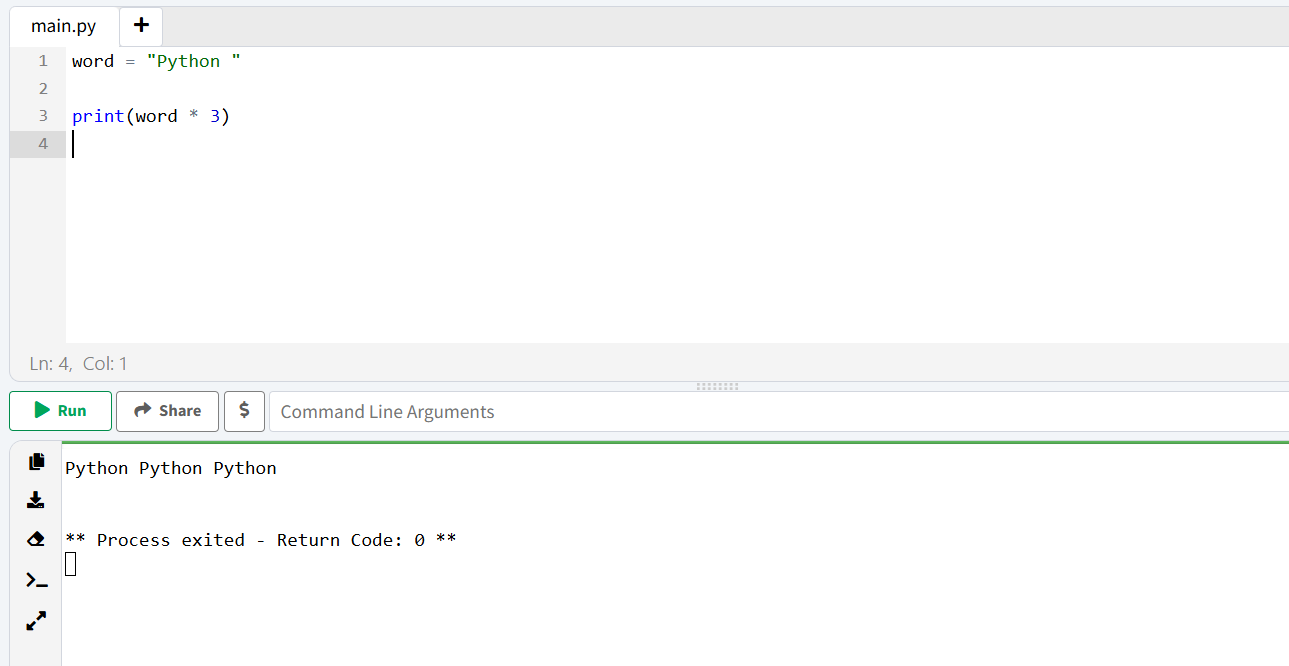

Output:
Python Python PythonPython String Membership Operators
Membership operators check whether a character or a substring exists inside a string.
Python supports in and not in.
text = "Python Programming"

print("Python" in text)

print("Java" not in text)
Output:
True
True
Python String Functions Explained
Functions are built-in tools provided by Python.
You pass the string as an argument to these functions.
len() Function
The len function returns the total number of characters in a string.
text = "Python"

print(len(text))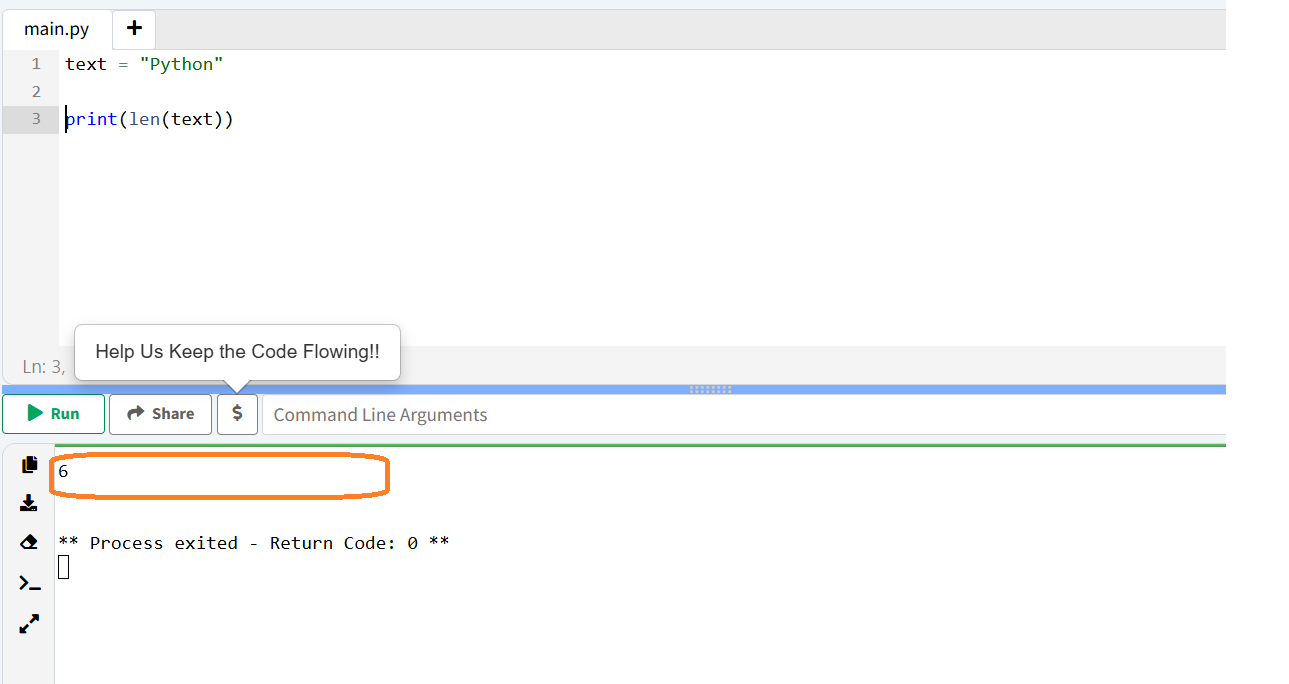

Output:
6max() Function
The max function returns the character with the highest ASCII value.
text = "python"

print(max(text))
Output:
ymin() Function
The min function returns the character with the lowest ASCII value.
text = "python"

print(min(text))
Output:
hchr() Function
The chr function converts an ASCII value into its character.
print(chr(65))Output:
Aord() Function
The ord function converts a character into its ASCII value.
print(ord("A"))Output:
65Understanding String Methods in Python
Methods are functions that belong to the string object.
You call them using dot notation.
lower() Method
text = "PYTHON"

print(text.lower())
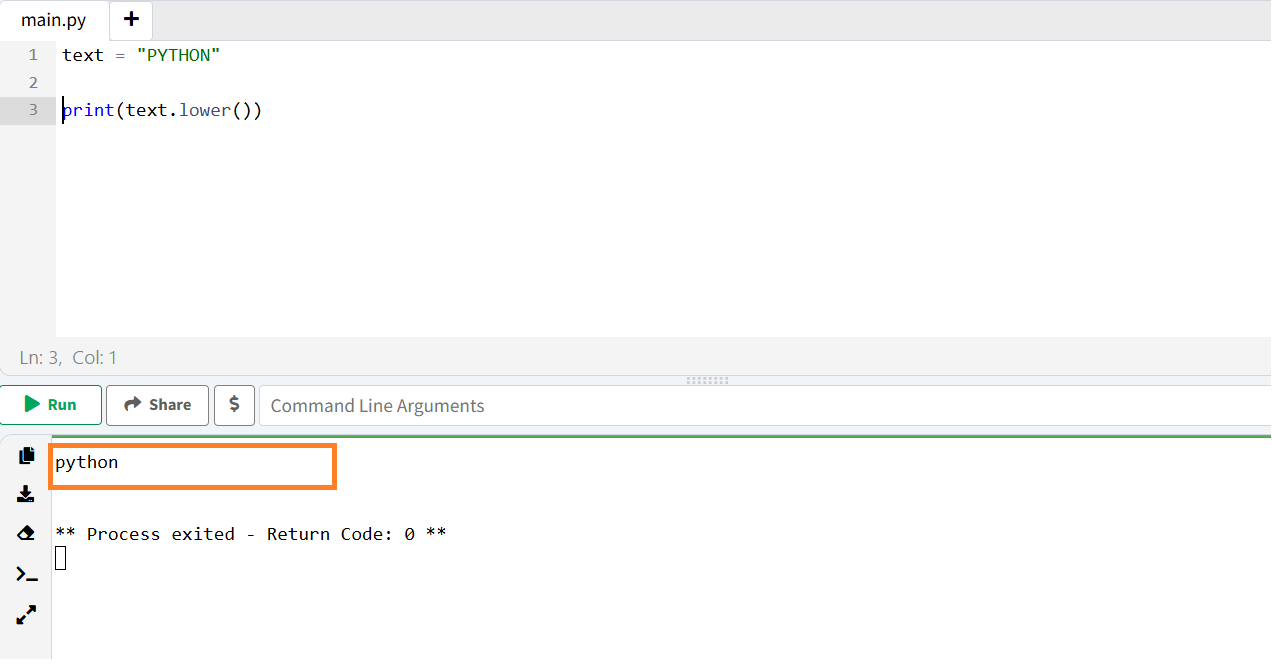

Output:
pythonupper() Method
text = "python"

print(text.upper())
Output:
PYTHONtitle() Method
text = "python string manipulation"

print(text.title())
Output:
Python String Manipulationcapitalize() Method
text = "python"

print(text.capitalize())
Output:
Pythonswapcase() Method
text = "PyThOn"

print(text.swapcase())
Output:
pYtHoNDifference Between Function and Method in Python
Understanding the difference between a function and a method is important for beginners. Many learners get confused at this stage, so it helps to keep the idea clear from the start. A function works independently and does not belong to any object, while a method belongs to an object and performs actions on that object.
# Function example

text = "Python"

print(len(text))

# Method example

print(text.upper())
In the function example, the string is passed inside parentheses.
In the method example, the string itself calls the method using a dot.
Why String Manipulation is Important
String manipulation is used in data cleaning, form validation, text analysis, and automation tasks. Once you understand these basics, advanced Python topics become easier to learn. That is why this topic is often taught at the beginning of Python learning.
Related Post:
- Python Strings Explained for Beginners: Step‑by‑Step Tutorial
-
Python Functions for Beginners: Complete Guide With Examples
If you want to explore more string methods and features, you can check out the official Python documentation for a complete reference.
Link: https://docs.python.org/3/library/stdtypes.html#text-sequence-type-str
Conclusion
You have now learned one of the core building blocks of Python, strings. From basic operations to functions and methods, you saw how strings work and how they are used in real programs. These concepts are not theoretical. You will use them daily while writing Python code, handling user input, and working with data.
This is only the starting point. Once you feel comfortable working with strings, learning topics like lists, dictionaries, and file handling becomes much easier. Practice the examples from this blog along with your video, and try small changes on your own to build confidence.
Keep practicing. Keep exploring Python. Strong basics today will help you write clean, readable, and professional code tomorrow.
For more tips, tutorials, and updates, follow us on Facebook, Instagram, and LinkedIn.